
What We Do
Massage
Target the tension. Restore movement. Therapeutic massage for tight, overworked muscles, restricted movement and recovery, using targeted techniques according to what your body needs.
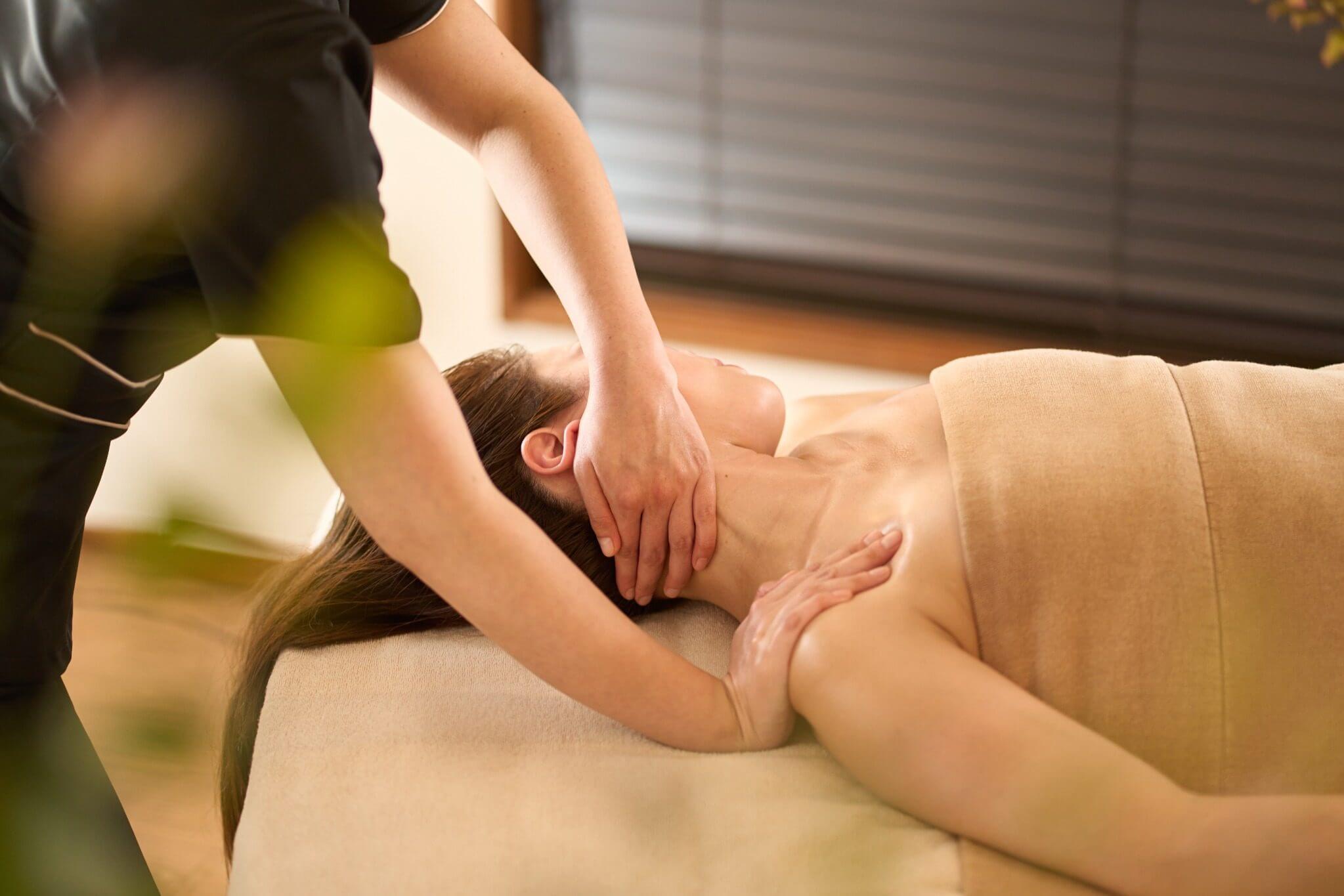
Massage at AcuMedic
Every ache has its own story
A stiff neck after weeks at a desk. Tired legs after training. Muscle tension that’s been building so gradually you can’t remember when it started. Different bodies, different demands, and different reasons for needing some hands-on help.
Our massage treatments range from deep tissue and sports massage to Tuina and targeted head or foot treatments, so the approach can be shaped around what you’re experiencing and what you need from the session.
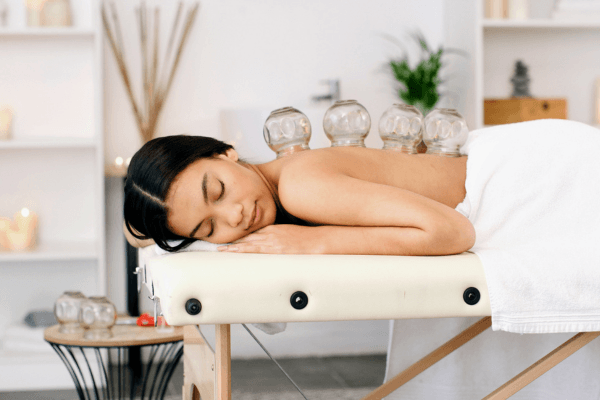
Cupping Therapy (Add-on)
Cupping may be used alongside acupuncture or massage to help with areas of muscle tightness and tension. Cups are placed on selected areas of the body to create gentle suction, with your practitioner deciding where and whether cupping is appropriate as part of your treatment. Temporary circular marks can appear on the skin and usually fade within a few days.
- Who it's for
- Patients having acupuncture or massage who may benefit from additional support for muscle tightness and tension.
- Appointment length
- Added within your acupuncture or massage appointment · £25 add-on
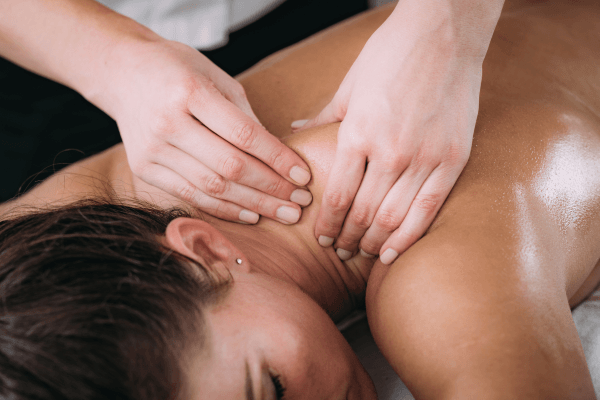
Deep Tissue Massage
Deep tissue massage uses firmer pressure to target ongoing muscle tension and tightness, especially when it has built up over time. Your therapist will adjust the pressure to suit the area and your comfort, although very tight muscles may feel intense briefly.
- Who it's for
- People with persistent muscle tightness, postural strain or ongoing aches and pain.
- Appointment length
- 30, 45, 60 or 90 minutes
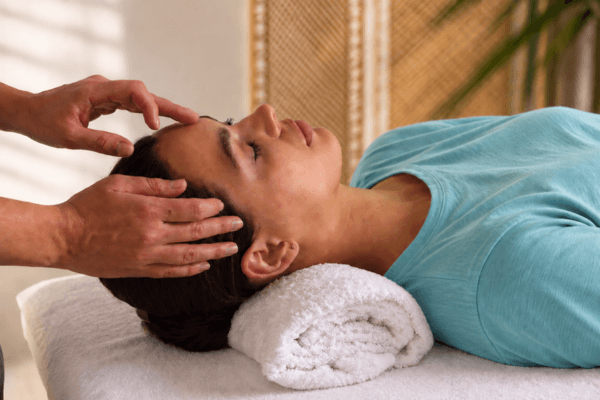
Head Massage
Head massage targets the spots where tension tends to settle, including the scalp, neck and shoulders. Gentle, focused pressure helps loosen tight muscles and may ease headaches or that heavy, tense sensation around the head and neck.
- Who it's for
- People with tension headaches or tightness in the neck, shoulders and scalp.
- Appointment length
- 30 minutes
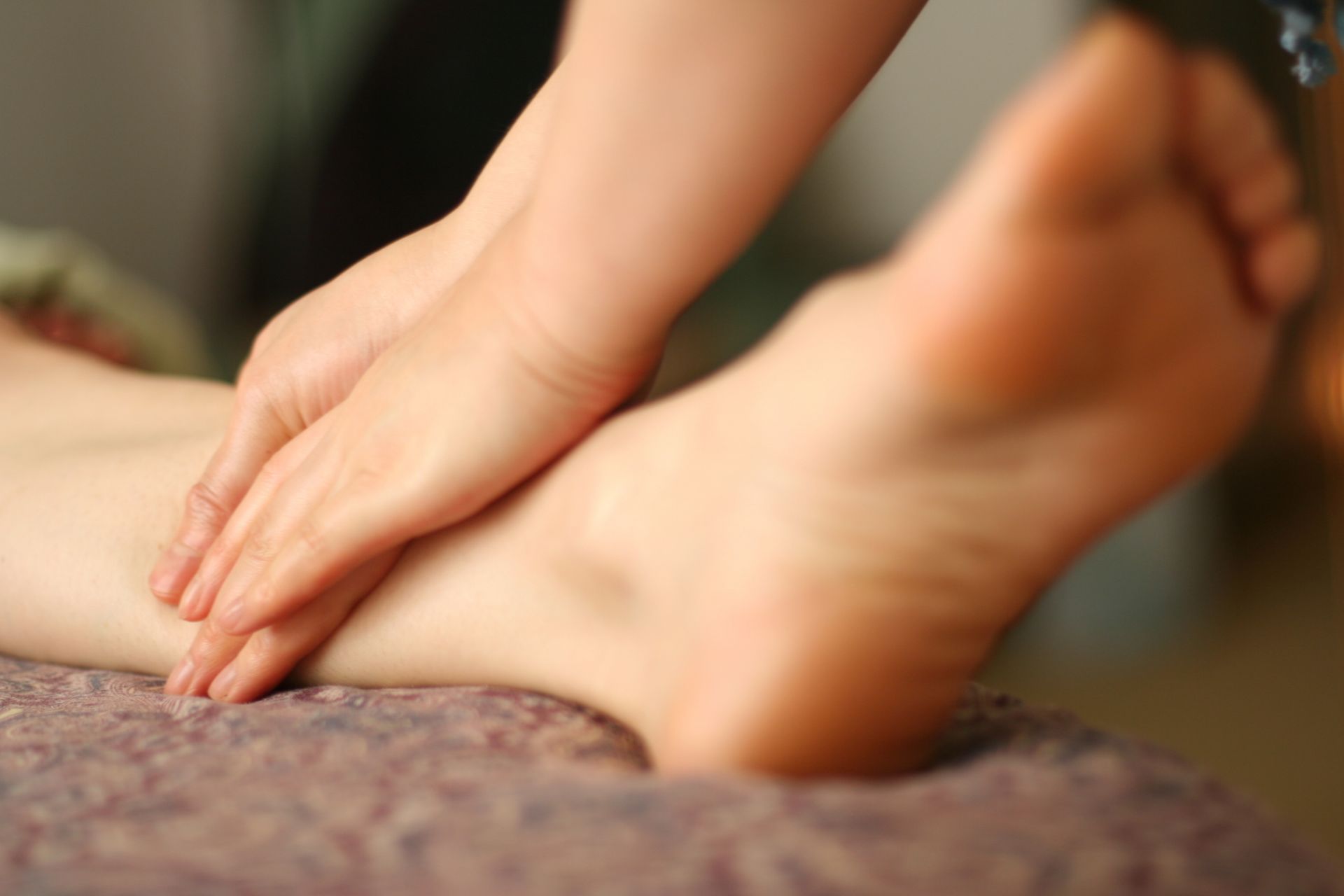
Medical Foot Massage
Medical foot massage is a gentle, targeted treatment for your feet. It uses lighter pressure when deeper bodywork may not be suitable, with each session adjusted to your comfort.
- Who it's for
- People who prefer or require a gentler approach to massage.
- Appointment length
- 45 minutes
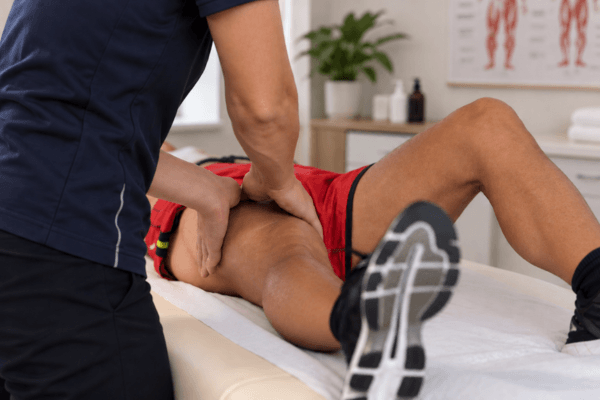
Sports Massage
Sports massage uses focused techniques to target muscles affected by training, repetitive movement or physical strain. It can ease tightness and support recovery, whether you're keeping up with regular training or returning to activity after an injury.
- Who it's for
- Athletes and active people managing muscle tightness, physical strain or recovery from a sports-related injury.
- Appointment length
- 30, 45, 60 or 90 minutes
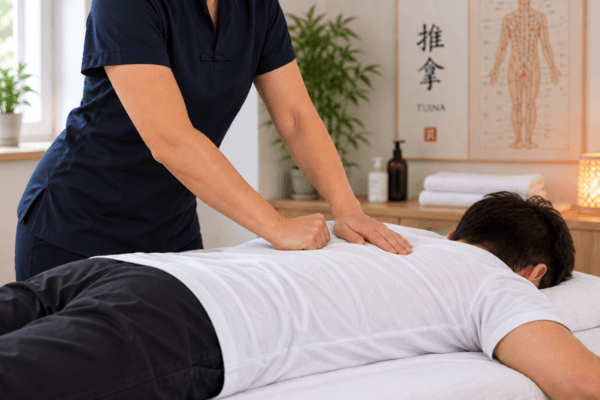
Tuina Massage
Tuina is a traditional Chinese massage treatment that combines firm pressure, stretching and hands-on techniques to ease areas of tension and improve restricted movement. Unlike a standard relaxation massage, it takes a more active, targeted approach. Your therapist adjusts the treatment according to what they find during the session.
- Who it's for
- People with muscle tension, stiffness or restricted movement who want a more active style of massage.
- Appointment length
- 30, 45, 60 or 90 minutes
MSP Treatment: A Combined Approach to Musculoskeletal Pain
MSP Treatment combines acupuncture with techniques such as cupping, manipulation and advanced Pi/Fu needling in one appointment. What’s included depends on your symptoms and assessment, so each session may be a little different.
Treatment is provided by a CMIR-registered practitioner and usually lasts 45 to 75 minutes. Your first appointment may take a little longer to allow time for a full assessment.
Explore Further
What Can Massage Help With?
These examples are not exhaustive. Your practitioner will assess whether this treatment is appropriate for your individual situation.
Book Your Massage Appointment
Choose the massage that suits you best, or speak to our team if you need a little guidance.
Common Questions
Frequently Asked Questions
Massage
How long does a massage appointment last?
Massage appointments range from 30 to 90 minutes, depending on the type of massage you choose.
Deep tissue, Tuina and sports massage are available as 30, 45, 60 or 90-minute sessions. Head massage lasts 30 minutes, while medical foot massage lasts 45 minutes.
How should I prepare for a massage appointment?
You don’t need to do much beforehand. Wear comfortable clothing and be ready to tell your practitioner what you’d like help with, including any pain, tightness or sensitive areas.
Mention any recent injuries and relevant health conditions too. This helps your practitioner decide how to approach the session and whether anything needs to be adapted.
What happens during a massage appointment?
Your practitioner will begin by asking what has brought you in and whether there are particular areas you’d like them to focus on. They’ll also check for any injuries or health concerns they need to know about.
From there, the session will depend on the massage you’ve chosen. Sports massage for tired legs after training will be quite different from a head massage focusing on tension around the neck and shoulders. Your practitioner will adapt the techniques and pressure to your needs and comfort throughout.
What should I wear?
This depends on the massage you’re having and the areas being worked on. Before the session begins, your practitioner will explain what, if anything, needs to be removed and make sure you’re comfortable and appropriately covered throughout.
If you’re unsure beforehand, ask our team when you book.
What should I do after a massage?
In most cases, you can carry on with your day as normal. Depending on the type of massage and the work done on tight or sensitive areas, you may feel particularly relaxed or notice some temporary tenderness afterwards.
Take it a little easier if you feel you need to. Your practitioner will let you know if there’s any specific aftercare they recommend before you leave.
Which type of massage should I book?
The best option depends on what you’d like help with. Deep tissue massage focuses on persistent muscle tightness, while sports massage may suit people dealing with the demands of training, physical activity or an injury. Tuina is a traditional Chinese medicine massage, while our head and medical foot massages focus on more specific areas.
If you’re not sure which to choose, our team can talk you through the options and help you find the right place to start.
Can I have massage alongside acupuncture?
Yes. Massage can sometimes be used alongside acupuncture, particularly when muscle tension, stiffness or restricted movement are part of what you’re seeking help with.
That doesn’t mean you automatically need both. Your practitioner can advise whether combining them is appropriate for you and how they might fit into your treatment plan.
How often should I have a massage?
There isn’t one timetable that suits everyone. Someone who books an occasional massage when long hours at a desk leave their shoulders tight may need something very different from someone training regularly and using massage as part of their recovery.
How often you come will depend on what you want help with, how you respond and whether massage forms part of a wider treatment plan. Your practitioner can recommend a suitable frequency based on your needs.
Will massage be painful?
Some massages can feel intense, particularly deep tissue or sports massage when your practitioner is working on a tight or sensitive area. More pressure isn’t automatically better, though, and you shouldn’t feel that you have to grit your teeth through the appointment.
If the pressure becomes too uncomfortable, let your practitioner know. They can adjust the pressure or technique as they go.