
What We Do
Acupuncture
Ancient wisdom, modern care. More than 3,000 years of Chinese medicine knowledge, applied to modern-day health challenges.
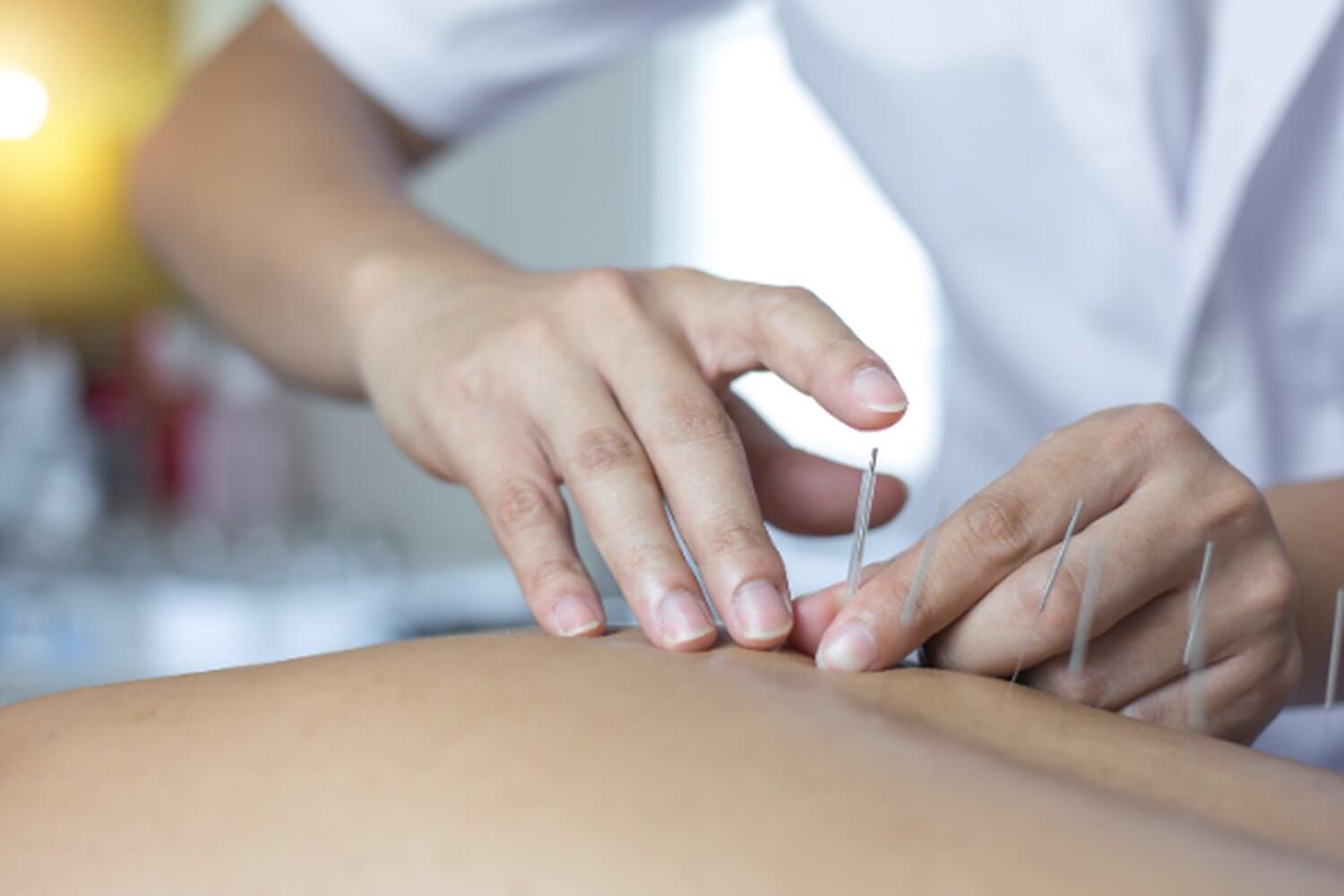
Acupuncture at AcuMedic
Same symptom, different treatment
A headache, backache or sleepless night can look different from one person to the next. In traditional Chinese medicine, that matters. Your practitioner looks at the wider picture before deciding where, how and why acupuncture is used.
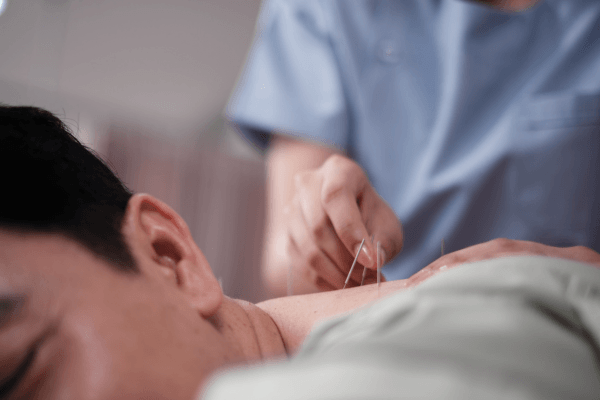
Acupuncture
Acupuncture uses fine, sterile, single-use needles placed at carefully selected points on the body. The points used will depend on your Chinese medicine assessment and may be close to the area causing concern or elsewhere on the body. Depending on what your practitioner finds, acupuncture may be used on its own or alongside other Chinese medicine techniques such as cupping.
- Who it's for
- People seeking acupuncture for a new, ongoing or recurring health concern.
- Appointment length
- Approximately 45–60 minutes.
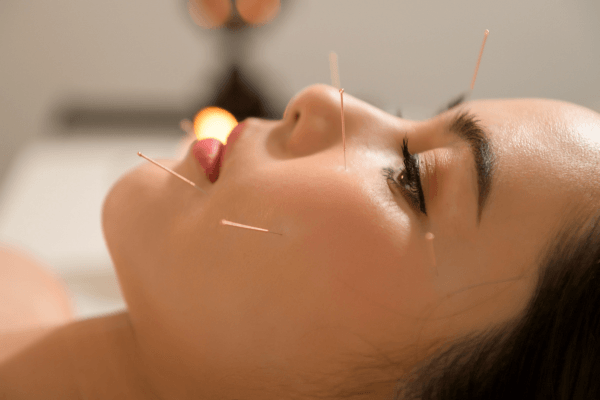
Cosmetic Acupuncture
Cosmetic acupuncture uses fine needles at selected points on the face and body, taking both your skin and wider health into account. Rather than focusing on one area in isolation, your practitioner considers factors such as skin condition, muscle tension and your overall Chinese medicine assessment when planning treatment.
- Who it's for
- People looking for a non-surgical approach to supporting the health and appearance of their skin.
- Appointment length
- Approximately 40 minutes · £65 per session
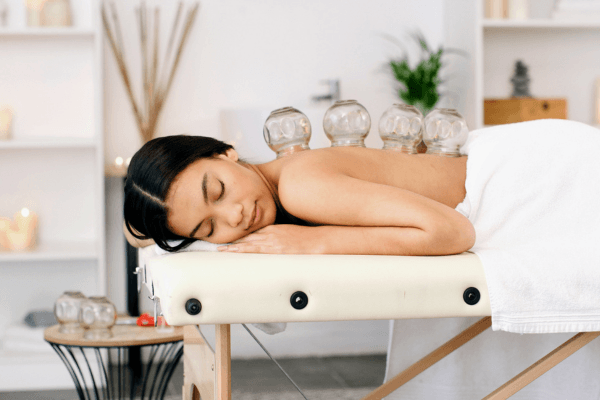
Cupping Therapy (Add-on)
Cupping may be used alongside acupuncture or massage to help with areas of muscle tightness and tension. Cups are placed on selected areas of the body to create gentle suction, with your practitioner deciding where and whether cupping is appropriate as part of your treatment. Temporary circular marks can appear on the skin and usually fade within a few days.
- Who it's for
- Patients having acupuncture or massage who may benefit from additional support for muscle tightness and tension.
- Appointment length
- Added within your acupuncture or massage appointment · £25 add-on
MSP Treatment: A Combined Approach to Musculoskeletal Pain
MSP Treatment combines acupuncture with techniques such as cupping, manipulation and advanced Pi/Fu needling in one appointment. What’s included depends on your symptoms and assessment, so each session may be a little different.
Treatment is provided by a CMIR-registered practitioner and usually lasts 45 to 75 minutes. Your first appointment may take a little longer to allow time for a full assessment.
Explore Further
What Can Acupuncture Help With?
These examples are not exhaustive. Your practitioner will assess whether this treatment is appropriate for your individual situation.
New to Chinese medicine?
How Traditional Chinese Medicine understands health, diagnosis, Qi and personalised treatment.
Book Your Acupuncture Consultation
Talk through your health concerns with one of our practitioners and find out how acupuncture could support you.
Common Questions
Frequently Asked Questions
Acupuncture
How long does an acupuncture appointment last?
An acupuncture appointment usually lasts approximately 45–60 minutes.
Your first appointment also includes a consultation and Chinese medicine assessment before treatment begins, so your practitioner has time to understand what has brought you in and plan your treatment.
How should I prepare for an acupuncture appointment?
There’s very little you need to do before acupuncture. Eat as usual rather than arriving on an empty stomach, and wear loose, comfortable clothing if possible. This makes it easier for your practitioner to access commonly used points on your arms and legs.
During your consultation, let your practitioner know about any medicines you take and any health conditions that may be relevant.
What happens at my first acupuncture appointment?
Your first acupuncture appointment begins with a conversation. Your practitioner will ask why you’ve come, how long your symptoms have been present, what affects them and whether any other aspects of your health could be relevant.
As part of a traditional Chinese medicine assessment, they may look at your tongue and feel your pulse. These details help them build a wider picture of your health before choosing suitable acupuncture points.
If acupuncture is right for you, treatment can often start during the same appointment. Your practitioner will explain what they recommend and answer any questions before treatment begins.
What should I do after acupuncture?
In most cases, you can carry on with your day as normal after acupuncture. Some people feel particularly relaxed or a little tired after treatment, so take it easy if you feel you need to.
There’s usually no special aftercare required. If your practitioner has any recommendations specific to you, they’ll explain them before you leave.
Why might acupuncture treatment target an area away from the pain?
This can be one of the more surprising things about acupuncture. A headache doesn’t always mean needles in the head, and back pain doesn’t mean every needle needs to go into the back.
In traditional Chinese medicine, practitioners choose points based on the pattern identified during your assessment. Points elsewhere on the body may therefore be relevant. For example, your practitioner might use points on your hands, feet or lower legs for symptoms affecting your head, neck or back.
If your practitioner chooses a point you weren’t expecting, feel free to ask why. They can explain how it fits into your treatment.
How many acupuncture sessions will I need?
There isn’t one standard acupuncture treatment plan that suits everyone.
A recent problem may need a different approach from symptoms that have been present for several years. Your practitioner will consider what you want help with, how long you’ve had the symptoms and how you respond to treatment.
After your assessment, they can suggest an initial plan and review your progress as you go. You don’t have to commit to a long course of treatment before you know how acupuncture works for you.
Does acupuncture hurt?
Acupuncture needles are extremely thin, so they feel quite different from the needles used for injections or blood tests.
You might hardly feel some needles as they enter the skin. Others may cause a brief tingling sensation, a feeling of warmth or heaviness, or a mild, dull ache. These sensations can occur during acupuncture, but the treatment shouldn’t feel sharply painful.
If something feels uncomfortable, let your practitioner know. They can adjust the needle or change their technique.
Is acupuncture safe?
Acupuncture is generally considered safe when carried out by a suitably qualified practitioner. At AcuMedic, practitioners use sterile, single-use needles for every treatment.
Beforehand, your practitioner will ask about your medical history, medicines and any health conditions that may be relevant. This helps them decide whether acupuncture is appropriate and whether anything about your treatment needs to be adapted.
If acupuncture isn’t appropriate for you, your practitioner will explain this and advise you on the next step.